Word Revel: Cross Words Puzzle
- 3.3
- Rating
- 100.00K
- Installs
- Free
- Price
 Analysis by App-foxy
Word Revel: Cross Words Puzzle is the kind of word game I reach for when I want something quiet, familiar, and easy to start without committing to a long session. It comes from TREASURETECH CO PTE. LTD. and presents a large collection of crossword-style challenges wrapped in a relaxed visual presentation. My first impression was that it aims less at dramatic competition and more at creating a steady little routine: open the game, solve a few words, enjoy the theme, and stop when my attention starts to wander.
That simple approach is its main appeal, but it also sets a clear expectation. This is not the best choice if you want a highly social word battle, a story-driven adventure, or a puzzle game built around unusual rules. It is much closer to a digital crossword break, with a broad supply of levels and a gentle pace. I found it most enjoyable in short sessions, especially when I wanted to keep my mind occupied without the pressure found in timed alternatives.
My first impression: a calm word game built for small breaks
The game is free to download and suitable for Everyone, which makes it approachable for families and casual players. It requires Android 6.0 or later, so it is designed to run on a wide range of devices rather than only recent phones. The current version is 1.2.282, and the overall presentation feels focused on accessibility: the central activity is reading clues, arranging letters, and gradually filling a word puzzle rather than learning a complicated control system.
You May Also Like

 Blood Strike: 2.5 Anniversary
Blood Strike’s Loadouts Turn Every Drop Into a Tactical Gamble
A close look at Blood Strike’s custom loadouts: how fast access to signature weapons reshapes its battle royale rhythm, rewards preparation, and narrows the gap between fights.

 Pandora - Music & Podcasts
Pandora’s Music Is Easy to Start, but Harder to Recover
Pandora’s strength is its low-effort path from a seed to a station. Its weak spot is how much confidence it asks you to place in connection, setup, and quiet recovery.

 8 Ball Pool
 Is Built on Rivalries, Rematches, and Routine
A close look at the rivalries, rematches, shared routines, and unanswered safety questions that turn a quick pool match into a persistent mobile community.

 Samsung Music
’s Quiet Strength Is Playing What You Already Own
Its reach comes less from spectacle than from dependable access to a personal library. That simplicity is both the app’s strongest retention engine and its ceiling.

 AccuWeather: Weather Radar
AccuWeather Review: A Quick, Clear Forecast for Everyday Decisions
For everyday plans, the best forecast is the one you can understand quickly. AccuWeather makes rain timing, radar, and local conditions easy to act on, with a few trade-offs.

 Hill Climb Racing
Why Hill Climb Racing Still Turns Crashes Into One More Run
A tiny car, a bumpy hill and one more upgrade: Hill Climb Racing keeps resurfacing because its simple chaos makes every near-miss feel personal.
More From Our News Desk
View All News


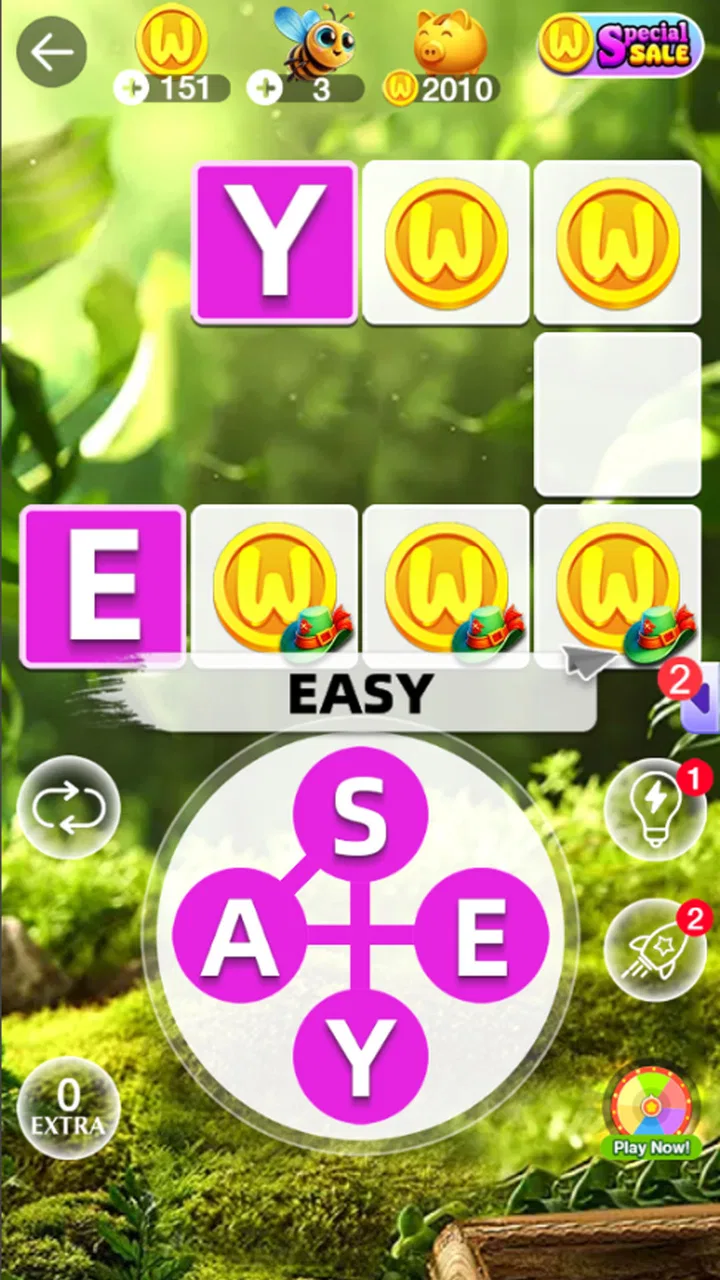
I like that the basic idea is immediately understandable. You do not need to study a long tutorial before knowing what to do. The familiar crossword format gives each level a natural rhythm: scan the available letters, think of possible answers, place them, and use the crossing words to confirm or challenge your guesses. That makes the opening minutes comfortable, even for someone who does not normally play games.
The large level count is useful in a practical way. Having over 5,000 levels means the game can become a regular companion instead of something finished during one weekend. I would not treat that figure as a promise that every puzzle will feel equally fresh, though. With a collection this broad, the value depends on whether the clues and word choices continue to match your preferred difficulty. For me, the attraction is the dependable supply of short challenges rather than the expectation that every board will be memorable.
The game has attracted more than 100,000 installs, while its average rating sits at 3.3 from around 1,600 ratings and 116 written reviews. That combination tells me to approach it with interest but not blind enthusiasm. There is clearly an audience for this format, yet the middling score suggests that the experience may not satisfy everyone, particularly players who expect flawless clue quality, deep variation, or generous progression without spending.
One practical point matters before you begin: although the game is free, optional purchases range from $0.99 to $364.99 per item. I would recommend deciding in advance whether you are comfortable with that model. A free word puzzle can be perfectly enjoyable without spending, but a large range of purchase options can change how you think about hints, progress, or interruptions. I prefer to treat the game as a casual pastime first and avoid making a purchase simply because I am stuck on one stubborn clue.
What the opening experience gets right
The strongest early quality is the low barrier between opening the app and solving something. The crossword structure does most of the teaching for the game, and that is a smart decision. Instead of filling the screen with instructions, it lets the relationship between clues and crossing letters explain the rules. I also appreciate how this format gives partial progress real value: even when I cannot solve a word immediately, another answer can reveal letters that make the first one obvious.
That creates an understated sense of momentum. I am not moving through a cinematic story, but I am constantly making small discoveries. One solved word reduces the uncertainty around another, and the board gradually changes from a collection of guesses into a completed pattern. This is a good fit for a coffee break, a quiet commute, or the few minutes before bed when I want something more active than scrolling but less demanding than a full game.
The trade-off is that the opening does not offer much novelty for experienced crossword players. If you already spend time with newspapers, dedicated crossword apps, or competitive word games, the core interaction will feel familiar. The appeal has to come from the combination of presentation, volume, and convenience rather than from a radically new puzzle system.
How the visual language shapes the experience
The art direction is important because the underlying activity is deliberately restrained. A crossword board can look plain if it is presented as nothing more than a grid and a keyboard, so the use of beautiful themes gives the game a stronger identity than a bare utility puzzle. In my experience, the themes help frame each session as a small change of scenery, even though the essential task remains the same.
I would describe the visual mood as decorative rather than story-based. The themes do not turn the game into an explorable world, and they do not replace the word mechanics. Instead, they soften the repetition of solving one board after another. That is a good artistic choice for this type of game: the setting supports the activity without competing with the clues.
There is also a useful psychological effect in a themed word game. When the screen feels pleasant, I am more willing to stay with a difficult board for another minute. A plain puzzle can make a mistake feel like a dead end; a more inviting presentation makes the same pause feel like part of a relaxed routine. This is subtle, but it is where the art direction earns its place.
At the same time, players should keep their expectations realistic. The themes are not a substitute for strong puzzle design. If a clue feels vague or a word feels unfamiliar, a beautiful background will not solve the underlying frustration. I judge the visual layer as a mood-setter, not as the reason to choose this game over every other word app.
Reading the screen without losing the puzzle
For me, the best interface in this category is one that disappears while I am thinking. Word Revel: Cross Words Puzzle generally benefits from the clarity of its central task because the player can focus on letter relationships instead of learning complicated gestures. This matters on a phone, where a crowded layout can make a simple puzzle tiring.
A useful habit is to avoid attacking the board in a fixed order. I start with the clues that feel certain, then use their letters to narrow down the less obvious entries. This is more efficient than repeatedly guessing the hardest word. It also lets the visual arrangement do some of the work: the completed sections become anchors that guide the rest of the board.
Another small but valuable approach is to treat a theme as a pacing tool rather than a promise that every clue follows one subject. I find the experience smoother when I enjoy the atmosphere while still judging each answer on its own. That prevents me from forcing a word merely because it seems visually appropriate.
The game is not the right pick for someone who needs a highly configurable reading experience, a strict tournament environment, or a specialized vocabulary challenge. Players with those priorities may prefer a dedicated crossword product that is built around newspaper-style clues, a competitive word platform with live opponents, or a spelling trainer with explicit educational progression. This game works best when comfort and continuity matter more than specialist depth.
Sound, rhythm, and the shape of a session
The mood of a puzzle game is not created by images alone. Sound and pacing determine whether the experience feels restful or distracting. Word Revel: Cross Words Puzzle is most convincing when approached as a measured activity: solve a few entries, complete a board, and let the next challenge wait until you actually want it. That pacing is more important here than fast reactions or dramatic rewards.
I see the sound design as part of the game’s supporting layer rather than its headline feature. In a word puzzle, audio should confirm actions without overpowering concentration. The most successful rhythm is the one that lets me think in silence between decisions, then gives a small sense of completion when a word or board comes together. That restraint fits the game’s broader identity better than loud effects or constant urgency would.
This makes it suitable for situations where I want a controlled mental break. For example, after finishing work, I might play a handful of levels while having tea. I am not trying to beat another person or protect a streak at all costs; I am giving my attention one modest problem at a time. If I get stuck, I can pause rather than feeling that the session has failed.
That relaxed rhythm can also expose the game’s main pacing weakness. Players who need frequent surprises may find the repeated cycle predictable: read, form words, fill spaces, repeat. The themes add variation to the surroundings, but the fundamental loop remains consistent. I consider that a strength for routine players and a limitation for anyone who quickly loses interest in repetition.
My advice is to use the game in deliberately short blocks at first. Do not assume that having thousands of levels means you should push through a large sequence in one sitting. The format is better when the board remains a small challenge rather than turning into a chore. Stopping after a satisfying completion also makes it easier to return later with fresh attention.
Why the pacing matters more than difficulty alone
Difficulty in a word game is not simply about whether an answer is obscure. It is also about how much information the board gives you, how quickly crossing letters appear, and whether the player can recover from an early wrong idea. The crossword structure naturally provides some recovery because one answer can illuminate another. That makes the game friendlier than a pure anagram challenge where every round may feel like starting from zero.
I particularly like using the crossing letters as a thinking aid rather than relying on random guesses. When a clue is uncertain, I leave it mentally open and work elsewhere. This creates a more satisfying solve and reduces the temptation to use a hint too early. It is one of the most useful ways to preserve the free-to-play experience: patience becomes a resource, not just a delay.
On the other hand, a player who wants a clear competitive measurement of skill may find the pacing too soft. There is no reason to rush through a calm crossword session unless the game itself gives you one. For me, that is exactly why it works as a wind-down game, but it means I would not recommend it as a replacement for a timed word duel.
Where the mechanics fit—and where they do not
The mechanics fit the atmosphere because they ask for concentration without demanding physical speed. Crossword-style solving rewards vocabulary, pattern recognition, and the ability to revise an assumption. Those skills are engaging but quiet. The board provides enough structure to keep the mind active while avoiding the sensory overload common in action games or heavily animated puzzle titles.
There is a particularly nice trade-off between certainty and discovery. Some answers arrive immediately, while others become visible only after the surrounding words are in place. That mixture keeps the game from feeling like a simple spelling test. I am not merely recalling words; I am using the board as a network of clues, where each decision changes the information available for the next one.
The format also makes the game approachable for different ages. A younger player can focus on common words and learn from crossing letters, while an adult may enjoy the same boards as a light vocabulary exercise. Because the content rating is Everyone, families can consider it for shared casual play, although individual enjoyment will still depend on vocabulary level and tolerance for hints or purchases.
For a realistic everyday use case, I would recommend it to someone who has ten spare minutes between appointments. The game does not require setting up a group, finding an opponent, or remembering a complicated campaign. You can solve one board, stop, and return later. That makes it more convenient than a traditional paper crossword when you are away from home, while remaining less socially engaging than a multiplayer word app.
The comparison with usual alternatives is revealing. A newspaper crossword usually offers a more distinctive editorial voice and may reward long-form solving, but it is less flexible as a pocket activity. An anagram game can deliver faster rounds and more immediate feedback, but it often feels more repetitive because the player works from a smaller pool of letters without the same crossing structure. A competitive word game creates stronger urgency and replay pressure, yet it can be stressful when I only want to relax. This title sits between those options: more structured than a basic anagram app, calmer than a head-to-head game, and less intellectually specialized than a serious crossword publication.
The free-to-play model is the main mechanical consideration outside the board itself. I would be cautious about using paid assistance automatically whenever a clue slows me down. A better workflow is to fill every confident answer, inspect the resulting letters, and take a short break before considering help. That approach preserves the puzzle’s purpose and makes the optional purchase system less central to the experience.
Players also need to decide what they want from progression. If the goal is to complete a long sequence of relaxing boards, the extensive level supply is a meaningful advantage. If the goal is to master a carefully curated difficulty ladder, the broad collection may feel less focused. I would choose this game for quantity and routine, not for the precision of a specialist puzzle curriculum.
Who should make room for it, and who should skip it
I would recommend it to casual crossword fans, people who enjoy word exercises in short sessions, and anyone looking for a quiet phone game with a pleasant visual wrapper. It is especially suitable for players who like solving at their own speed and appreciate having many boards available instead of repeatedly returning to one daily puzzle.
I would be more hesitant to recommend it to players who dislike hints, in-app purchase systems, or repeated puzzle structures. It is also a weak match for someone seeking a narrative setting with characters and exploration. The themes create atmosphere, but they do not turn the game into a story adventure. Likewise, competitive players who want rankings, live opponents, or time-based pressure should look toward a dedicated multiplayer word title instead.
People with very specific vocabulary goals may also prefer an educational app that explains definitions, tracks spelling progress, or builds lessons around a chosen language level. This game can exercise word recognition, but I would not use it as a substitute for structured study. Its purpose is entertainment first, with mental stimulation arriving naturally through play.
The developer, TREASURETECH CO PTE. LTD., has chosen a sensible foundation: familiar mechanics, decorative themes, and a large amount of content. The result is easy to understand and easy to revisit. The cost of that accessibility is a lack of dramatic change from one session to the next, so the game depends heavily on whether its calm loop matches your habits.
My atmosphere verdict after weighing the whole package
Word Revel: Cross Words Puzzle succeeds when I treat it as a small daily ritual rather than a major gaming event. Its art direction gives the crossword boards a warmer identity, its restrained rhythm supports concentration, and its mechanics create a satisfying chain from one solved word to the next. The setting is not elaborate, but it is coherent: everything points toward a slower, more comfortable kind of play.
I also think the middling average rating deserves a fair interpretation. It does not mean the game has no value; it means the experience is likely to divide players according to expectations. Someone wanting a huge, approachable supply of themed word boards may find exactly what they need. Someone expecting highly original puzzles, a deep story, or a generous competitive system may feel that the presentation is doing more work than the mechanics.
My strongest practical recommendation is to download it with a clear personal rule: enjoy the free solving loop first, use crossing letters before hints, and decide calmly whether optional purchases add enough convenience for your habits. That approach keeps the game’s best quality—the quiet satisfaction of figuring things out—at the center.
In the end, I see this as a dependable casual word game rather than an essential puzzle classic. It is polished enough in concept to make regular short sessions appealing, and the themed presentation gives those sessions a recognizable mood. But its repetition and purchase range may frustrate players who want either greater variety or a completely uninterrupted experience. If you want a calm crossword companion for spare moments, this is worth trying; if you want competition, story, or serious training, another word app will serve you better.
FAQs for Word Revel: Cross Words Puzzle
01What is Word Revel: Cross Words Puzzle about?
Word Revel: Cross Words Puzzle is a challenging and engaging word game that combines crossword puzzles with word search elements. Players are tasked with finding and connecting letters to form words, solving intricate puzzles, and progressing through various levels. The game is designed to enhance vocabulary and cognitive skills while providing hours of entertainment.
02Is Word Revel: Cross Words Puzzle free to play?
Yes, Word Revel: Cross Words Puzzle is free to download and play. However, it may offer in-app purchases for additional features, hints, or ad-free experiences. These purchases are optional and are designed to enhance gameplay for those who wish to progress more quickly or enjoy additional content.
03What are the system requirements for Word Revel: Cross Words Puzzle?
Word Revel: Cross Words Puzzle requires Android 5.0 or iOS 10.0 and later versions for optimal performance. Ensure your device has adequate storage space to accommodate the app and its updates. A stable internet connection is recommended for downloading and accessing certain features, although offline play is available.
04Are there any ads in Word Revel: Cross Words Puzzle?
The game includes ads that may appear between levels or during gameplay. These ads help support the developers to keep the game free. Players can opt for in-app purchases to remove ads if they prefer an uninterrupted experience. The frequency of ads is designed to be minimal and non-intrusive.
05How can I get help if I'm stuck on a level in Word Revel: Cross Words Puzzle?
If you're having difficulty with a level, Word Revel offers hints that can be purchased or earned through gameplay. Additionally, there are online communities and forums where players share tips and strategies. The game’s support team is also available to assist with technical issues or gameplay queries.
Pros
- Engaging puzzles keep your mind sharp.
- Variety of difficulty levels available.
- User-friendly interface for easy navigation.
- Daily challenges offer fresh content.
- Offline mode for play without internet.
Cons
- In-app ads can be intrusive at times.
- Limited hints unless purchased.
- Some puzzles are too easy for experts.
- Occasional lag in older devices.
- No multiplayer mode available.

Word Revel: Cross Words Puzzle
Gallery